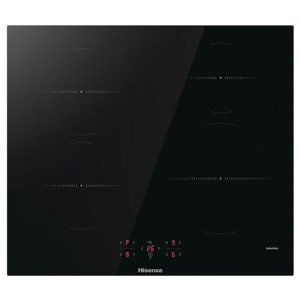
The Complete List Of Induction Hob Installation Dos And Don'ts
Understanding Ceramic Induction Hobs: A Comprehensive Guide
Ceramic induction hobs have actually become progressively popular in modern cooking areas, combining functionality with aesthetic appeal. They are differentiated by their sleek, flat surface areas and advanced cooking technology. Unlike conventional gas or electric stovetops, ceramic induction hobs utilize electromagnetic energy to heat pots and pans directly, resulting in quicker cooking times, energy effectiveness, and improved safety. This article will check out the numerous features, advantages, downsides, and maintenance of ceramic induction hobs, in addition to answer some frequently asked questions.
What is a Ceramic Induction Hob?
A ceramic induction hob utilizes a glass-ceramic surface that is resistant to thermal shock and scratching, integrated with induction heating innovation. The hob generates an electromagnetic field that engages with ferrous cookware, producing heat straight in the pot or pan. This approach of cooking is usually faster and more energy-efficient than traditional techniques, as less heat is wasted.
Secret Features of Ceramic Induction Hobs
- Smooth Surface: The sleek, flat surface of ceramic hobs makes them easy to clean and maintain.
- Magnetic Heating: Direct heating of pots and pans makes sure quicker cooking times and increased energy performance.
- Temperature level Control: Precise temperature level settings enable better control throughout cooking.
- Security Features: Automatic shut-off, child locks, and residual heat indications improve cooking security.
- Sleek Design: Aesthetic appeal with a modern appearance, perfect for contemporary kitchen areas.
Advantages of Ceramic Induction Hobs
Ceramic induction hobs use various benefits that make them appealing in various cooking scenarios. Here are a few of the primary advantages:
Energy Efficiency:
- Induction cooking uses around 90% of the energy created, compared to about 70% for electric coil ranges and around 40% for gas stoves.
Speed:
- Induction hobs can heat up pots and pans faster than conventional cooking methods, decreasing overall cooking time.
Accuracy:
- Instant adjustment of heats up permits exact cooking control, suitable for delicate meals.
Security:
- The hob itself does not heat up, reducing the risk of burns. Furthermore, if no pots and pans is spotted, the heat does not produce.
Easy to Clean:
- The smooth surface avoids food from sticking and enables simple wipe-down with a fabric.
Toughness:
- The ceramic surface area is designed to stand up to heats and is normally scratch-resistant.
Disadvantages of Ceramic Induction Hobs
While ceramic induction hobs use many benefits, there are likewise some downsides to think about:
Cost:
- Ceramic induction hobs tend to be more pricey in advance than standard cooktops.
Cookware Compatibility:
- Only magnetic pots and pans works with induction hobs, requiring the purchase of brand-new pots and pans if existing pots and pans is non-magnetic.
Learning Curve:
- For those accustomed to conventional cooking techniques, the change to induction cooking can take a while.
Possible for Scratching:
- Although the ceramic surface area is durable, it can scratch if sharp things are dragged throughout it.
Care and Maintenance of Ceramic Induction Hobs
Correct care and maintenance are essential for keeping your ceramic induction hob in optimal condition. Follow these actions to extend the hob's life-span:
Routine Cleaning Steps
- Daily Wipe Down: After each use, wipe the surface area with a moist fabric to get rid of spills and splatters.
- Prevent Harsh Chemicals: Use moderate cleaning agents or specialized ceramic cooktop cleaners to prevent damaging the surface.
- Use Soft Sponges: Clean with soft sponges to prevent scratching the ceramic surface area.
- Deal With Cookware Carefully: Lift, do not drag, pots and pans throughout the surface area to prevent scratches.
Deep Cleaning Steps
- Weekly Deep Clean: Use suitable cleaners for a more comprehensive cleansing of any persistent spots.
- Inspect for Residual Heat Indicators: Allow the hob to cool before cleansing, and check if the recurring heat indicators are off.
Comparison Table: Ceramic Induction Hobs vs. Other Cooktop Types
Function
Ceramic Induction Hobs
Electric Coil Stoves
Gas Stoves
Energy Efficiency
High (90%)
Moderate (70%)
Low (40%)
Heat Up Time
Fast
Moderate
Slower
Temperature level Control
Exact
Less Precise
Less Precise
Safety
High
Moderate
Low
Ease of Cleaning
High
Moderate
Low
Pots and pans Requirement
Magnetic just
All types
All types
Expense
Higher
Lower
Moderate
Regularly Asked Questions (FAQs)
1. Do I need special cookware for a ceramic induction hob?
Yes, just cookware made from ferrous materials (such as cast iron or stainless-steel) is suitable with induction hobs. If a magnet stays with the bottom of the cookware, it must work on an induction hob.
2. How do I understand if my ceramic induction hob is off?
A lot of induction hobs come geared up with recurring heat indications that highlight if the surface area is still hot. Constantly examine these indications before cleaning up or touching the surface area.
3. Can I utilize my ceramic induction hob throughout a power interruption?
No, ceramic induction hobs need electrical power to operate, so they will not operate during a power interruption.
4. Is Ovens And Hobs to leave my cookware on the hob after cooking?
Leaving cookware on the hob is usually safe if the recurring heat indications are off. Nevertheless, it's recommended to remove it as a safety measure versus burns or heat damage.
5. Can a ceramic induction hob crack?
While ceramic induction hobs are developed to be durable, they can break if heavy pots and pans is dropped on them. Appropriate care ought to be taken to prevent such events.
Ceramic induction hobs represent a modern service for efficient cooking in the contemporary kitchen. With their energy efficiency, fast heating, and safety features, they stick out as a popular choice for both newbie and experienced cooks. Comprehending their advantages and maintenance requirements is essential for making the most out of your cooking experience. As innovation continues to advance, ceramic induction hobs will likely hold a popular place in cooking areas across the globe.